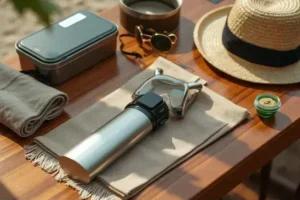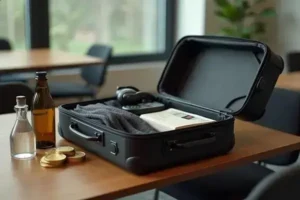
Ever step onto a ship, open your suitcase, and realize you packed three sweaters but forgot sunscreen? Packing for a cruise is its own puzzle — and a cruise packing list printable free can be a lifesaver when space (and sanity) are tight.
The catch is you don’t know what the line already provides. So you guess… then lug a hair dryer and beach towels you’ll never use, buy overpriced minis onboard, or get your steamer confiscated at security. Money wasted, time lost, nerves shot before sail-away.
By the end, you’ll know what ships cover versus what you must bring, what’s banned, and you’ll grab a ready checklist by excursion type — the cruise packing list printable free that keeps you light and prepared. Ready to start with what the ship already provides?
What Cruise Lines Provide Versus What You Must Bring
What does the ship already include — and what still needs space in your suitcase? Getting this right saves money, stress, and precious cabin storage.
Here’s the thing: most cruise lines stock cabins with linens, bath towels, basic toiletries, and a hair dryer, but policies vary by brand and ship. Cruise Lines International Association (CLIA) also bans heat‑producing devices for safety, which changes what you should pack versus skip.
| Provided by Ship | You Should Bring | Notes |
|---|---|---|
| Bed linens + pillows | Compact travel pillow (optional) | Great for side sleepers; not required. |
| Bath + pool towels | Quick‑dry towel (excursions) | Ship towels can’t always leave the vessel. |
| Dispensed shampoo/soap | Conditioner + reef‑safe sunscreen | Dispensers vary; bring skin‑specific items. |
| Hair dryer (in most cabins) | Detangling brush + travel-size styling cream | Irons/steamers are prohibited. |
| Basic first‑aid at medical center | Pain reliever, motion bands, seasick meds | CDC suggests carrying personal meds plus extras. |
| Room service ice/water | Collapsible water bottle + electrolytes | Hydration matters on hot port days. |
| Limited outlets (often 1–2) | Non‑surge USB hub or cube | Surge protectors are usually confiscated. |
| Laundry service (paid) | Travel detergent + a few dryer sheets | Spot clean and refresh between wears. |
| Formal night venues | Wrinkle‑release spray + packable attire | No irons; choose wrinkle‑resistant fabrics. |
Picture this scenario: you board in Miami, bags arrive late, and you want the pool. With your collapsible bottle, sunscreen, and swimsuit in a small tote, you’re sunning in ten minutes — not shopping onboard for pricey basics.
Wondering how to decide quickly? Use this rule: if it’s a safety risk (heat device) or personalized (medication, skincare), it’s on you. For medications, the Centers for Disease Control and Prevention recommends packing originals plus 3–5 extra days — and keeping them in your carry‑on. For personal medical questions, consult your doctor or a travel clinic before sailing.
⚠️ Important Warning: Irons, steamers, candles, and surge‑protected power strips are commonly prohibited under CLIA safety guidelines. Bring a non‑surge USB charger and wrinkle‑release spray instead.
Dial this in now and you’ll pack lighter, avoid security delays, and still have every comfort. But there’s one detail most cruisers overlook until it’s too late…
Mainstream Vs Luxury: What’s Included Side By Side
Here’s the thing: “all-inclusive” means different things at sea. Mainstream lines bundle the basics; luxury lines wrap almost everything into the fare — and that changes how you budget.
The truth is, you’re paying either way. You’ll pay à la carte for Wi‑Fi and drinks on some ships, or pay a higher fare that already covers them. Which model fits your style and wallet?
Side‑By‑Side Inclusions
| Amenity | Mainstream (Royal, Carnival, Norwegian) | Luxury (Regent, Seabourn, Silversea) |
|---|---|---|
| Alcoholic Beverages | Paid packages; promos vary | Included, premium labels common |
| Specialty Dining | Cover charges per venue | Usually included or minimal fees |
| Wi‑Fi | Tiered plans billed daily | Included for most guests |
| Gratuities | Daily service charges added | Included in fare |
| Shore Excursions | Priced per tour | Often included selection |
| Room Service | Late‑night fees possible | Included, 24/7 on many |
| Laundry | Paid by bag or piece | Included allowances or unlimited |
| Cabin Size/Service | Compact rooms; concierge on some | Spacious suites; butler service |
In practice: a couple compares a 7‑night Bahamas sailing. The mainstream fare is $1,099 each, but they add a drinks package, basic Wi‑Fi, gratuities, two specialty dinners, and one laundry bag — total jumps by several hundred. A luxury line shows $2,499 each, but includes all of that and a curated excursion. Different math, similar end spend depending on habits.
- Choose mainstream if you drink little, can skip Wi‑Fi at times, and love big‑ship entertainment.
- Choose luxury if you value quiet spaces, seamless service, and hate tracking add‑ons on your folio.
- Families: mainstream kids’ clubs shine; luxury offers calmer, smaller programs.
- Solo travelers: luxury inclusions can offset single supplements when promos appear.
💡 Pro Tip: Do a per‑day “all‑in” comparison: fare + gratuities + Wi‑Fi + drinks + specialty dining + laundry + typical excursions. CLIA notes inclusions vary by brand and itinerary; use the ship’s official amenities list, then price the way you actually travel. Forbes Travel Guide service standards are a good benchmark for butler‑style expectations.
Price transparency wins — but perks shift by season and ship class. And this is exactly where most people make the most common mistake…
What’s Banned On Most Ships (And Safer Alternatives)
Wondering what gets pulled at security — and why? A short list drives most confiscations, and the logic is fire prevention above all.
Worth noting: Cruise Lines International Association (CLIA) emphasizes “no open heating elements,” and the U.S. Coast Guard treats ignition sources and high‑risk lithium devices as serious hazards. That’s the filter to pack through.
| Commonly Banned Item | Reason | Safer Alternative |
|---|---|---|
| Irons & Garment Steamers | Open heat/steam can trigger alarms | Wrinkle‑release spray; onboard pressing service |
| Hot Plates, Kettles, Coffee Makers | Heating elements pose fire risk | Request hot water; use café or room service |
| Surge‑Protected Power Strips | Can trip breakers; onboard systems differ | Non‑surge USB hub or cube |
| Extension Cords (unapproved) | Overheat and trip hazards | Ask Guest Services for an approved cord |
| Candles & Incense | Open flame prohibited | Battery LED tealights; room ambiance playlist |
| Drones (varies by line/port) | Airspace/privacy restrictions | Action camera; if allowed, use ashore only |
| Hoverboards/E‑scooters (lithium) | Battery thermal runaway risk | Standard power bank under 100Wh |
| Weapons & Large Knives | Security and safety rules | Rounded‑tip travel scissors for grooming |
| Marijuana/CBD Products | Illegal in many ports under local law | Carry only legal OTC meds; verify port rules |
Picture this scenario: you place a travel steamer and a surge strip in the bin — the agent tags both for holding until disembarkation. Your formal outfit? Now depends on a last‑minute pressing service you didn’t plan (and it’s prime time before dinner).
- Before packing, read your line’s “Prohibited Items” page and screenshot it for check‑in day.
- Swap heat devices for fabric strategy: wrinkle‑resistant outfits, a spray, and a folding board.
- Power smarter — bring a compact non‑surge USB charger and short cables for all devices.
- Keep lithium batteries in carry‑on, under airline‑style limits (usually up to 100Wh each).
- If you must bring a specialty item, email the cruise line for written approval and carry that note.
- At embarkation, declare questionable gear upfront; security appreciates honesty and speed.
⚠️ Important Warning: Policies vary by brand and port authority. When CLIA guidelines meet local law, the stricter rule wins — if you’re unsure, leave it out.
Dialing in these swaps protects your trip, your budget, and the ship’s safety systems. What actually works might surprise you…
Smart Packing By Port Excursion Type: Beach, City, Adventure, Cold
Different ports demand different gear — that’s why one “mega list” fails. Pack by excursion type and you’ll carry less yet feel more prepared.
Not sure what to toss in for a beach day versus a glacier tour? Use this simple filter: sun, terrain, and transit time. Then build a tight kit that fits a small day bag.
Beach Days
- Reef‑safe SPF 50 and a UPF rash guard.
- Collapsible water bottle plus electrolyte packets.
- Quick‑dry towel; some ships won’t allow pool towels ashore.
- Waterproof phone pouch (IPX8) and cheap sunglasses.
- Light sandal you can rinse; pack flip‑flops, not leather.
City Sightseeing
- Crossbody bag with zipper; keep it light.
- Comfortable walking shoes — broken in already.
- Portable non‑surge charger and short cable.
- Layerable outfit and a modest cover‑up for sacred sites.
- Offline map downloaded the night before.
Adventure & Wet Excursions
- 10L dry bag with carabiner clip.
- Closed‑toe water shoes or trail runners with grip.
- Insect repellent (20–30% DEET or picaridin); CDC recognizes both as effective.
- Compact first‑aid: blister pads, bandages, antiseptic wipes.
- Protein bar and a small microfiber towel.
Cold & Glacier Ports
- Merino base layer (top/bottom) and insulated mid‑layer.
- Waterproof shell (10k+ rating) with DWR finish.
- Beanie, touchscreen gloves, neck gaiter.
- Wool socks and slip‑resistant boots.
- Air‑activated hand warmers (TSA‑safe) for tender rides.
In practice: you’ve booked a split itinerary — beach on Monday, fjords on Thursday. Two zip pouches live in your cabin drawer. On port mornings, you grab the right pouch and go, no repacking chaos.
💡 Pro Tip: Pre‑pack a shore bag each night with sun gear, ID, and a small first‑aid kit. The American Academy of Dermatology recommends broad‑spectrum SPF 30 or higher and reapplication every two hours — more often after swimming. Check the NOAA UV Index at breakfast to decide between baseball cap or full‑brim hat.
Dial your kit to the day, not the ship — and this is exactly where most people make the most common mistake…
Your Printable Cruise Packing List: How To Use, Customize, And Check Off
Your printable checklist is your cruise command center. Simple, visual, and fast — so you don’t second‑guess outfits or scramble on embarkation morning.
Here’s the thing: a good list mirrors how you actually travel. It separates carry‑on musts from checked items, and flags rules you can’t bend (think TSA 3‑1‑1 if you’re flying to port). Then it guides packing by zones, not by guesswork.
| Checklist Section | What To Fill In | Update Cadence |
|---|---|---|
| Documents & Money | Passports, IDs, set sail pass, cards, small cash | Night before travel |
| Carry‑On Day 1 | Meds, valuables, swimwear, sunscreen, chargers | Morning of embarkation |
| Clothing Core | Outfits by day/night, formal, sleepwear, layers | Two days pre‑travel |
| Toiletries & Meds | Liquids under limits, prescriptions, first‑aid | Two days pre‑travel |
| Shore‑Day Kit | By port type: beach, city, adventure, cold | Evening before each port |
In practice: you print two copies. One lives in your carry‑on sleeve; the other clips to your cabin wall (they’re metal) with a small magnet. Every night, you mark tomorrow’s shore kit and toss those items into a ready day bag — no morning chaos.
- Print the checklist at 100% scale; keep one clean master and one working copy in a clear sleeve.
- Color‑code: green for “packed,” yellow for “check at pier,” red for “carry‑on only.”
- Pack by zones: bed for clothing, bathroom counter for toiletries, desk for tech — check each zone once, then close it.
- Photograph the completed list on your phone for backup; keep the physical copy visible for quick scans.
- Weigh luggage and trim duplicates; prioritize mix‑and‑match outfits that compress well in packing cubes.
- Stage embarkation items (meds, IDs, valuables) in your personal item — CLIA and most lines require these to stay with you.
- Each port night, prep the next day’s mini‑list and refill your water bottle/charger kit.
💡 Pro Tip: Slide the working list into a dry‑erase sleeve and use a fine marker. Wipe daily, reuse for each port, and you’ll never run out of checkboxes.
Tight lists prevent overpacking, reduce onboard spending, and keep your mornings calm. Once this is in place, the rest of the routine falls into place naturally.
Sail Lighter, Stress Less
You now know what the ship provides versus what you must bring, how to pack by excursion type, and how to use a live checklist to stay organized. If you take just one thing from this guide, let it be: pack to the day and confirm it with the cruise packing list printable free.
Before, packing felt like guesswork — too many outfits, missing basics, and last-minute buys onboard. Now it’s a simple rhythm. You’ll carry less, skip prohibited items, and still have exactly what each port needs. Fewer decisions. More vacation.
Which part of your kit will you set up first — ship‑vs‑bring essentials, the excursion pouches, or the reusable checklist? Tell us in the comments!

Ava Marie Caldwell is a passionate traveler, travel planning writer, and the founder of this blog — built for people who want to travel more, stress less, and actually enjoy the planning process.
After years of figuring things out the hard way — overpacking for every trip, booking the wrong accommodation, missing cheap flight windows by days, and once arriving at an airport without a printed visa — Ava decided to document everything she learned and put it in one place.
This isn’t a luxury travel blog with sponsored resort stays. Ava is not a certified travel agent or tourism professional — just someone who has taken the trips, made the mistakes, and found the systems that actually work for real travelers with real budgets and real lives.
Every article on this site is researched with care, written from genuine experience, and designed to save you time, money, and the kind of stress that ruins the first day of a trip you’ve been planning for months.
Whether you’re packing for your first international flight, planning a road trip with the family, or finally doing that solo trip you’ve been putting off — this blog was built for you.
When she’s not writing or planning her next trip, Ava is testing new packing systems, comparing flight booking tools, and trying to convince everyone that a carry-on is always enough.