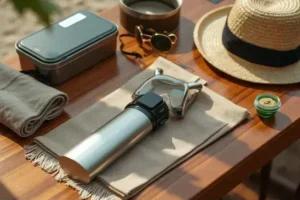
Picture this: 200 miles in, the snacks are gone, the charger’s buried in the trunk, and tension’s rising over directions. A road trip packing list printable could’ve stopped that—before it started.
Miss one small thing and the dominoes fall. You burn cash at random stops, kids melt down without screens or games, and your back aches because the pillow stayed home. Worst of all, safety gear isn’t where you need it. The fun slips away fast.
Here’s the fix: a simple plan with a pre-drive car check, a per-person pack, and a grab-first stash for the cabin—plus smart snacks, entertainment, comfort, and safety moves. By the end, you’ll have a shareable system and a road trip packing list printable you can trust. Ready to start where the stress ends?
Road Trips Versus Flying: Snacks, Entertainment, Comfort And Safety
Torn between the open road and a quick flight? Your choice shapes how you snack, how you pass time, how your body feels — and how safe you’ll be from start to finish.
Here’s the thing: driving gives you control. You pack what you want, stop when you need, and keep meds within reach. Flying trades control for speed, but adds baggage rules, tighter seats, and timing you can’t move — even when plans shift.
💡 Pro Tip: For sub‑8‑hour door‑to‑door trips, driving often wins on comfort and access. NHTSA cites driver fatigue as a major crash factor, while TSA’s 3‑1‑1 rule caps liquids and gels at 3.4 oz per item — plan accordingly.
Picture this scenario: a family of four heading 420 miles for a tournament. The flight is 90 minutes, but door‑to‑door is six hours with parking and security. They drive instead, keep allergy‑safe snacks, rotate drivers every two hours, and arrive with energy (and fewer receipts).
Side‑by‑Side Factors
| Factor | Road Trip | Flying |
|---|---|---|
| Snacks & Drinks | Cooler, bulk snacks, full dietary control | TSA 3‑1‑1; dry snacks OK; water after security |
| Entertainment | Offline playlists, audiobooks, seat‑back tablets | Seatback screens/in‑flight Wi‑Fi (not guaranteed) |
| Comfort | Seat tweaks, lumbar cushion, stretch every 2 hrs | Tighter pitch; aisle for movement; neck pillow |
| Safety | Route control; emergency kit; fatigue risk (NHTSA) | Seatbelts per FAA; turbulence; crew oversight |
| Access To Essentials | Meds/chargers within reach; trunk overflow | Personal item only; overhead bins fill fast |
| Cost Variables | Fuel, tolls, parking, depreciation | Baggage fees, seat selection, change fees |
Quick Decision Framework
- Calculate door‑to‑door time. Add security, boarding, and ground transfers — or fuel and rest stops if you drive.
- Set your snack plan. For cars: cooler + ice packs. For flights: TSA‑friendly quart bag, dry snacks, and electrolyte tablets.
- Lock entertainment early. Download offline shows, queue audiobooks, pack kid trays; for planes, bring a power bank (FAA: spare lithium in carry‑on only).
- Tune comfort and safety. Driving: rotate seats, add lumbar support, stretch every two hours. Flying: pick aisle, use a neck pillow; consider compression socks.
- Budget risk. Compare fuel/tolls/parking vs baggage and change fees; add travel insurance and roadside assistance as needed.
If you have medical needs, car‑seat questions, or route safety concerns, talk to your physician or a certified Child Passenger Safety Technician before you go.
But there’s one detail most travelers overlook until it’s too late — what you keep within arm’s reach matters more than you think…
Pre-Drive Car Checklist: Tires, Fluids, Brakes, Lights, Documents
A smooth road trip starts before you shift into Drive — with a fast, focused car check. Twenty minutes now beats hours on the shoulder later.
When did you last pop the hood and look for the basics? Tires, fluids, brakes, lights, and documents decide whether your first hour is calm or chaotic.
- Tire pressure gauge (digital preferred)
- Tread-depth gauge or a quarter
- Paper towels, funnel, gloves
- Flashlight and small flathead screwdriver
- Owner’s manual and insurance/registration
⚠️ Important Warning: According to NHTSA, tread below 2/32 inch sharply raises crash risk on wet roads. Don’t push it — replace early, ideally at 4/32 for rain performance.
Time: about 25 minutes. Prerequisites: level surface, cool engine, parking brake on.
- Tires: Set PSI to the driver‑door placard, not the sidewall. Check the spare too.
- Tread: Use a gauge or a quarter (Washington’s head should not disappear). Look for nails or sidewall bulges.
- Fluids: Engine oil at the dipstick mark, coolant at “Full Cold,” brake fluid between Min/Max, washer fluid topped.
- Brakes: With engine off, press pedal — it should feel firm, not spongy. Listen for grinding on a short test roll.
- Lights: Headlights (low/high), DRL, turn signals, hazards, brake and reverse lights. Use a wall or phone camera if solo.
- Documents: License, registration, insurance, roadside assistance card, and the owner’s manual in the glove box.
In practice: a Friday‑night check caught a screw in my right‑rear tire (12 PSI). I plugged it before bed, set all tires to spec, and skipped a 90‑minute Saturday detour.
Quick Reference Targets
| Item | What To Check | Target/Threshold |
|---|---|---|
| Tire Pressure | Cold PSI vs door placard | ±2 PSI of spec |
| Tread Depth | Gauge or coin test | Replace at 4/32″ (wet); legal 2/32″ |
| Engine Oil | Dipstick level/color | Between marks; dark is OK, gritty is not |
| Brake Fluid | Reservoir Min/Max | At or near Max; amber, not dark |
| Lights | All exterior functions | 100% working; carry spare bulbs/fuses |
Worth noting: AAA reports underinflated tires cut fuel economy and raise blowout risk — a double hit to your wallet and safety.
But there’s one glove‑box detail most drivers forget until an officer asks for it — and it determines how fast you’re back on the road…
Per-Person Packing List: Clothing, Toiletries, Medications, Tech Essentials
How much is enough per person? Pack too little and you’re buying socks at midnight. Pack too much and you’ll fight a bloated trunk the whole way.
Here’s the thing: one smart kit per person keeps chaos down. You’ll move faster at rest stops, find what you need, and avoid paying convenience-store prices for basics you already own.
- Clothing: Capsule colors, breathable layers, one mid‑layer, lightweight rain shell, sleepwear, hat, sunglasses, compression socks for long sits, underwear/socks (daily) + two extras.
- Toiletries: Leak‑proof travel bottles, toothbrush/paste, deodorant, wet wipes, hand sanitizer, razor, hair ties, lip balm, broad‑spectrum SPF 30+ sunscreen (American Academy of Dermatology), mini laundry soap.
- Medications: Prescriptions in original labeled containers, a 2‑day buffer, basic OTC kit (pain/fever, antihistamine, anti‑nausea), epinephrine auto‑injector if prescribed, pill organizer, copies of prescriptions. The CDC advises keeping meds in original bottles for clarity in emergencies.
- Tech Essentials: Phone + car charger, 20,000 mAh power bank, braided cables (USB‑C/Lightning), noise‑canceling headphones, e‑reader/tablet with offline media, headlamp, spare batteries, microfiber pouch for all chargers. The U.S. Consumer Product Safety Commission warns against leaving lithium batteries in hot vehicles — store in the cabin, out of direct sun.
💡 Pro Tip: Pack each person’s small gear in a labeled mesh pouch (chargers, earbuds, lip balm, meds). One grab = 90% of what they actually reach for.
In practice: your teen packs six random tees and zero socks. You swap in a capsule set (4 tees, 2 shorts, 1 jogger), add daily socks/underwear plus two spares, and slide a tech pouch in the door pocket. No late‑night Walmart run. No drama.
Smart Quantities By Trip Length
| Trip Length | Clothing Quantity Rule | Why It Works |
|---|---|---|
| Weekend (2–3 days) | 1 outfit/day; 1 extra underwear/socks; 1 layer | Covers spills and temp swings without overpacking |
| One Week (4–7 days) | Tops: 1/day −1; Bottoms: 1/2 days; Underwear/socks: 1/day +2 | Mix‑and‑match cuts bulk while staying fresh |
| 10+ Days | 3–4 tops, 2 bottoms, 1 dress/skirt (opt), laundry mid‑trip | Laundry beats hauling extra weight and cost |
Worth noting: moisture‑wicking fabrics reduce odor, so you can repeat layers and cut laundry time — a small upgrade with big comfort ROI.
And this is exactly where most people make the most common mistake — they pack well but bury the must‑reach items in the trunk…
Keep Accessible In The Car: Not In The Trunk
Ever pulled over in the rain, popped the trunk, and realized the umbrella is… back there? The truth is: access beats volume every time.
You want the cabin to work like a cockpit — the must‑reach items live within one arm’s reach, not under a suitcase. That’s how you slash stress and stop nickel‑and‑dime delays.
- Safety & Docs: First‑aid kit, flashlight, window breaker/seat‑belt cutter, reflective vest, registration, insurance, roadside assistance card, and a pen — all in the glove box or door pocket.
- Health & Comfort: Day meds, motion‑sickness chews, tissues, disinfecting wipes, hand sanitizer, SPF, bug spray, compact trash bags, and a small towel within the center console.
- Power & Nav: 30W car charger, braided cables, 20,000 mAh power bank, vent mount, and a folded paper map up front in case cell service drops.
- Food & Hydration: Soft cooler on the backseat floor with water and protein snacks; keep one bottle per person in cup holders.
- Car Essentials: Tire pressure gauge, compact inflator, hazard triangles behind the driver’s seat, and a high‑vis flashlight clipped to the console.
💡 Pro Tip: Use three color‑coded pouches — red (first aid), blue (tech), green (comfort). According to the American Red Cross, fast access to first‑aid supplies shortens response time when seconds count.
In practice: picture this scenario — a spill, a sneeze, and “Where’s my charger?” all hit in one five‑minute stretch. Because wipes, tissues, and cables lived in the console, you cleaned up, plugged in, and rolled out without a roadside scramble.
Two‑Minute Cabin Reset (Every Stop)
- Collect trash and replace the bag — don’t let it snowball.
- Refill cup holders with cold water from the soft cooler.
- Top off the snack tray; rotate perishables to the front.
- Quick‑check power: phones above 40%, power bank above 60%.
- Stage safety gear: flashlight and triangles easy to grab, not buried.
Worth noting: NHTSA recommends reflective gear and warning devices be reachable so you can deploy them fast if you’re stopped on the shoulder — not after digging through luggage.
But there’s one detail most drivers overlook until mile 200 — which snacks, entertainment, and comfort picks actually keep everyone happy without the sugar crash…
Snacks, Entertainment And Comfort That Actually Work
Tired of the sugar crash, the “I’m bored” chorus, and that stiff lower back at mile 180? Here’s the thing: the right mix keeps energy steady and moods even.
Snacks should ride the middle — quick carbs for the brain, plus protein and fiber to smooth blood sugar. Aim for 200–250 calories, 10–20g protein, and 3–5g fiber per stop, and skip ultra‑salty picks that spike thirst and restroom breaks.
- Balanced bites: Apple slices + peanut butter packs, hummus + whole‑grain crackers, or Greek yogurt (cooler) with granola.
- Protein anchors: Lower‑sodium jerky, roasted chickpeas, string cheese, or mixed nuts (pre‑portioned to avoid mindless munching).
- Hydration: Water first; add electrolyte tablets for hot days — but watch sodium if you’re sensitive (American Heart Association suggests under 2,300 mg/day).
- Caffeine timing: Small doses early, none within six hours of bedtime to protect sleep quality (National Sleep Foundation).
- Kid sanity savers: Bento snack boxes and a “trade token” to swap treats at rest stops — turns snacks into a game, not a battle.
💡 Pro Tip: Keep perishables at or below 40°F in a soft cooler with two ice packs; USDA Food Safety and Inspection Service notes this “danger zone” line prevents bacterial growth.
In practice: you pre‑portion nuts, stash hummus cups, and freeze water bottles overnight (they double as ice packs). By lunch, nobody’s cranky, and you didn’t pay airport‑gift‑shop prices at a gas station.
Entertainment That Keeps Eyes Forward
| Choice | Why It Works | Safety Note |
|---|---|---|
| Audiobooks/Podcasts | Hands‑free, story flow lowers perceived time | Set playlists pre‑drive; AAA Foundation flags device fiddling as a major distraction |
| Offline Playlists | No buffering; predictable vibe control | Controls on wheel; no scrolling while moving |
| Seat‑Back Kits | Kids rotate art trays, fidgets, and card games | Secure small items so nothing becomes a projectile |
Comfort Micro‑Routine (Repeat Every 2 Hours)
- Recline to ~100–110°; add lumbar support at beltline for a neutral spine (American Physical Therapy Association guidance).
- Move feet: heel pumps and ankle circles for 60 seconds — boosts circulation; compression socks help on long hauls.
- Stretch out: exit the car, walk 3–5 minutes; National Sleep Foundation recommends breaks every two hours.
- Thermal check: adjust cabin vents, swap to a breathable layer; thermoregulation fights fatigue.
- Seat reset: slide hips back, shoulders relaxed, headrest centered mid‑skull — not pushing the chin forward.
Once your snacks, sounds, and seat setup are dialed, miles feel lighter, conversation stays easy, and the drive actually restores you instead of draining you.
Your Road Trip Plan, Locked In
You’ve got the essentials covered now — a pre-drive car check, per-person kits, and an access-first cabin. If you take just one thing from this guide, let it be: use one repeatable checklist and keep must-reach gear within arm’s reach. Your road trip packing list printable turns chaos into a quick routine, from tires and fluids to meds, chargers, and balanced snacks.
Before, the drive felt random — forgotten chargers, sugar crashes, stiff backs. Now it’s different. You’ll run a 20-minute check, pack smart capsules, and stage safety, power, and food up front. Fewer detours. Better moods. The miles feel lighter.
Which change are you making first — printing the checklist, building the color‑coded pouches, or setting a two‑hour stretch routine? Tell us in the comments!

Ava Marie Caldwell is a passionate traveler, travel planning writer, and the founder of this blog — built for people who want to travel more, stress less, and actually enjoy the planning process.
After years of figuring things out the hard way — overpacking for every trip, booking the wrong accommodation, missing cheap flight windows by days, and once arriving at an airport without a printed visa — Ava decided to document everything she learned and put it in one place.
This isn’t a luxury travel blog with sponsored resort stays. Ava is not a certified travel agent or tourism professional — just someone who has taken the trips, made the mistakes, and found the systems that actually work for real travelers with real budgets and real lives.
Every article on this site is researched with care, written from genuine experience, and designed to save you time, money, and the kind of stress that ruins the first day of a trip you’ve been planning for months.
Whether you’re packing for your first international flight, planning a road trip with the family, or finally doing that solo trip you’ve been putting off — this blog was built for you.
When she’s not writing or planning her next trip, Ava is testing new packing systems, comparing flight booking tools, and trying to convince everyone that a carry-on is always enough.